

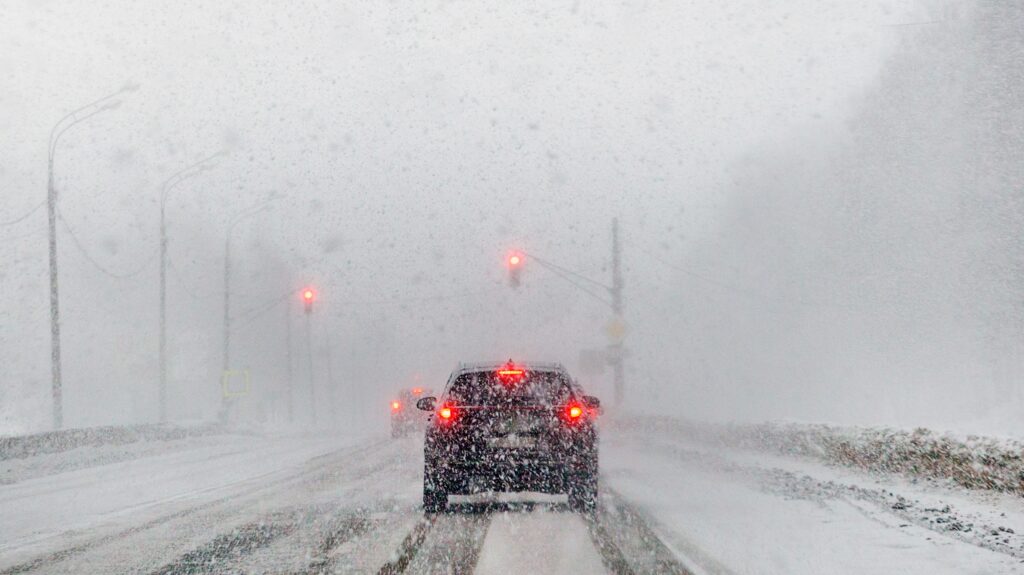
Freeze-thaw cycles occur when temperatures fluctuate above and below freezing, typically around 32°F. During the day, melting snow and ice allow water to seep into the small pores and cracks in the concrete. When temperatures drop again below freezing, the water freezes and expands.
Wisconsin experiences dozens of freeze- thaw cycles each year, mainly in late fall, winter, and early spring. Unlike places with constant cold temperatures, these repeated fluctuations place constant stress on concrete surfaces, making deterioration more likely over time.
What are Freeze-Thaw Cycles?
A freeze-thaw cycle occurs when temperatures fluctuate above and below freezing. During these cycles:
- Water enters the concrete through tiny pores, hairline cracks, or surface imperfections
- When temperatures drop, the water freezes and expands (by about 9%)
- As temperatures rise, the ice thaws and contracts, allowing more water to penetrate
- This process repeats, sometimes dozens of times in a single season
In Central Wisconsin, these cycles are especially common in late fall, winter thaws, and early spring, creating ongoing stress within the concrete.
How Freeze-Thaw Cycles Damage Commercial Concrete
- Surface Scaling and Flaking:
One of the earliest signs of freeze-thaw damage is scaling, where the top layer of concrete flakes or peels away. This happens when freezing water expands near the surface, breaking the bond between cement paste and aggregate.
Scaling not only affects appearance but also leaves the surface more exposed to future moisture intrusion.
- Cracking That Worsens Over Time
As pressure builds inside the concrete, microcracks form internally. While these cracks may not be immediately visible, they expand with each freeze-thaw cycle.

Over time:
- Hairline cracks widen
- Water penetrates deeper
- Damage accelerates exponentially
What starts as a small crack can eventually compromise the entire slab.
- Spalling and Material Loss
Spalling occurs when larger pieces of concrete break away, often around edges, corners, or joints. This is especially common in high-traffic commercial areas such as loading docks and parking structures. Spalling is more than cosmetic; it reduces structural integrity and can expose reinforcing steel to moisture and corrosion.
- Reduced Strength and Durability
Repeated freeze-thaw cycles weaken concrete from the inside out. As microcracks multiply, the material loses:
- Compressive strength
- Load-bearing capacity
- Long-term durability
This can shorten the service life of commercial concrete significantly if not addressed early.
How To Prevent Freeze-Thaw Damage in Commercial Concrete
Use the Right Concrete Mix
High-quality commercial concrete in Wisconsin should include:
- Air-entraining admixtures, which create microscopic air pockets that allow freezing water to expand safely
- Low water-cement ratios: to reduce porosity and moisture absorption
These mix designs are critical for cold-weather durability.
Apply Sealers and Surface protection
Applying concrete sealers and other surface protection is an essential step in preventing freeze-thaw damage. Sealers help block moisture from penetrating the concrete, reduce the harmful effects of de-icing salts, and extend the overall lifespan of the surface. For commercial slabs that are frequently exposed to Wisconsin’s harsh weather, periodic resealing is especially important to maintain durability and protect against long-term deterioration.
Contact Potrykus to Get In Touch
Wisconsin winters are extremely tough on concrete, but keeping up with maintenance will make a huge difference. If you are looking for an expert to help with guidance on sealing, repairing, or maintaining your commercial concrete, we are here to help! Schedule a professional concrete inspection and learn how preventative maintenance can extend the life of your surfaces and reduce long-term repair costs.