
The foundation of a building when set correctly is strong enough to withstand incredible force and will last for generations — but when a commercial concrete foundation is not set properly, it can cause long-term issues and fail. When you examine commercial concrete foundation design, it is important to understand how improper drainage causes structural failure, how to recognize the signs of poor drainage, and how to prevent drainage-related failure when setting your foundation.
6 Ways Improper Drainage Causes Structural Failure
Poor and improper drainage can mean the silent destruction of a foundation’s integrity. Water is the primary catalyst for structural deterioration and can lead to significant issues if not addressed. When water isn’t directed away from a property’s foundation, it can saturate the soil, leading to hydrostatic pressure that cracks foundation walls or causes them to bow inward, and over time, poor drainage results in erosion or differential settlement that can lead to structural damage. In addition, trapped moisture can lead to wood rot in foundational elements and extreme changes in weather with hot and cold can damage concrete foundations.
In the end — what starts as a simple puddle after a rainstorm can become a compromised foundation that costs thousands of dollars to repair.
1. Hydrostatic Pressure
Hydrostatic pressure is a common cause of structural damage and occurs when wet and saturated soil results in lateral pressure against the walls of a foundation. This effect of improper drainage can cause the walls of a foundation to be forced inward and develop cracks over time that damage the structural integrity of the foundation.
2. Soil Erosion
Hard rain coupled with poor drainage from a foundation can lead to soil erosion, and when the soil under a foundation is washed away, it causes a void that leads to multiple issues. Foundational issues tied to soil erosion can include uneven settlement of concrete foundations, structural cracks, and sagging.
3. Expansive Soil Movement
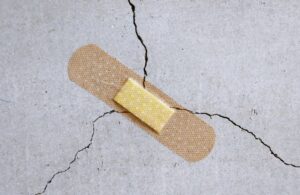
The soil in Wisconsin is rich in clay deposits and when that clay is wet due to improper drainage, it can swell and contract. This constant expansion and contraction movement can put significant pressure on a foundation, lifting or cracking the concrete, and leading to structural failure of the foundation.
4. Slab Heave
When water collects and accumulates under a concrete slab or foundation, it can lead to slab heave. Slab heave occurs when water collects beneath a concrete slab due to poor drainage and that creates upward pressure that forces the slab to rise unevenly and can cause cracks in the concrete.
5. Corrosion of Reinforcement
Steel rebar is a common element used to reinforce concrete foundations — but that steel is susceptible to rust and corrosion when the foundation has poor drainage. Long-term moisture penetration of a foundation can cause steel rebar to corrode and fail. This compromises the strength and integrity of the foundation.
6. Freeze and Thaw Cycles
Here in Wisconsin — we are no strangers to the rapid changes in weather that can result in a freeze-thaw cycle. This rapid freeze-thaw cycle can impact the integrity of your foundation when there is poor damage. When water trapped beneath a concrete foundation freezes and expands, it can cause cracks in the concrete. Repetitive freeze-thaw cycles can lead to irreparable damage.
What Are the Key Indicators of Poor Foundation Drainage?
Improper drainage can lead to significant damage to a concrete foundation — but how do you know that your foundation is at risk? What are the indicators of poor drainage? When your foundation has improper drainage there will be interior and exterior warning signs, and it is important to recognize them before real damage is done to the foundation.
- Persistent Standing Water: When puddles remain in your yard more than 24 hours after a storm, it indicates improper grading and drainage.
- Soil Erosion: When water does not drain away from a foundation properly, it will erode the soil and create bare patches.
- Overflowing Drainage: When gutters and downspouts lead to puddles next to the foundation, it indicates poor drainage of gutters and downspouts.
- Damp Basement: Wet walls, damp spots, and persistent condensation on interior foundation walls is a sign of improper drainage.
- Foundation Cracks: Improper drainage that leads to foundation damage can be spotted by horizontal or stair-step cracks in the interior foundation walls.
- Mold and Mildew: Water and moisture that penetrate a damaged foundation can lead to persistent mold, mildew, and musty odors in basements.
- Efflorescence: Efflorescence is a white, powdery mineral deposit that is left on foundation walls when moisture evaporates.
How To Prevent Poor Drainage with Preventive Design
When you choose Potrykus Construction to set your concrete foundation, you can rest assured that we will use proper and preventive design practices to ensure that the drainage around your foundation will prevent structural damage. Here is a closer look at preventive design practices that will prevent poor drainage:
- Proper Grading: The slope around the foundation should go away from the building at a downward angle that typically slopes down 6 inches in the first 10 feet.
- Waterproofing: Waterproof coatings and materials are applied to the foundation to prevent water penetration of any cracks.
- Proper Drainage Systems: Proper drainage systems implemented for commercial foundations include footer drains, French drains, and downspout extensions.
- Soil Stabilization: The soil around a concrete foundation must be properly stabilized and compacted to prevent settling and excessive erosion.
READ MORE: Tips for Planning and Budgeting a Large-Scale Concrete Project
When you set a foundation, it is important to understand commercial concrete foundation design and how improper drainage causes structural damage. We hope that this overview highlights how poor drainage can impact the concrete foundation of a commercial building and the warning signs you should be on the lookout for.
Contact Potrykus Construction LLC. today for more information on how we can help you build a strong foundation!