

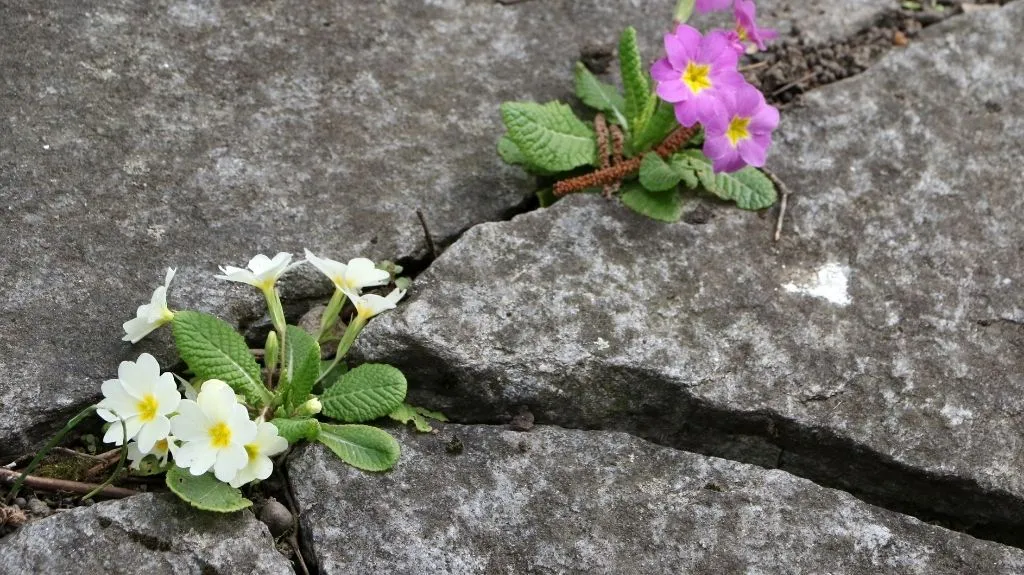
Step on a crack, break your mother’s back.
We have all probably heard this superstitious statement or played that game when we were kids, and avoided the cracks in the sidewalk — but what causes those cracks in the sidewalk? A damaged sidewalk can be caused by multiple factors and a few common problems that are tied to concrete construction. It is important that businesses installing sidewalks on their properties understand what causes sidewalk cracks, the common problems that can lead to these cracks, and how you may be able to prevent sidewalk cracks on your property.
Top 5 Most Common Causes of Sidewalk Cracks
There are a few primary causes of cracks in your sidewalk — and most are tied to shifting soil, extreme shifts in the weather like we see here in Wisconsin, invasive tree roots, and improper installation. Armed with a better understanding of what causes these cracks in your sidewalk, you may be able to take measures to prevent them or prevent new cracks from becoming much worse over time.
Here is a closer look at the most common causes of sidewalk cracks:
1. Freeze-Thaw Cycles
Here in Wisconsin, we are no strangers to rapid changes in weather — going from 70° spring days in April to 2-feet of snow the next day. These rapid freeze-thaw cycles that we see in the Midwest allow water to seep into the pores and cracks in the concrete when the weather is warmer and then freeze and expand when the temperatures drop. This puts added pressure on the concrete and widens pre-existing cracks.
2. Shifting or Settling Soil
When you install concrete flatwork like a sidewalk or parking lot, it is important that the ground underneath the concrete is not loose. When the ground beneath the concrete is loose, improper water drainage can erode the soil and the sidewalk can sink. This leaves your sidewalk without the support it needs, leading to cracks in the concrete.
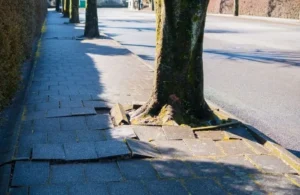
3. Invasive Tree Roots
When concrete sidewalks are poured next to growing trees, it can lead to cracks in the sidewalk. As trees continue to grow, the roots push upward against the concrete slabs, creating additional pressure. This upward pressure can cause concrete sidewalks to snap or heave over time as the tree continues to grow.
4. Improper Installation
Improper installation of concrete sidewalks can be a common cause of sidewalk cracks. If concrete has too much water in the mix or dries too fast in hot weather, it can dry and shrink at uneven rates. This can lead to early surface cracks in the concrete that can lead to larger issues.
5. Heavy Loads
A sidewalk is intended for standard pedestrian traffic — not vehicles or heavy equipment. A concrete sidewalk with heavy vehicle traffic or heavy equipment traffic that exceeds its weight capacity can lead to the development of cracks and structural failure.
How To Prevent Cracks in Sidewalk
There is not always a lot that you can do to prevent cracks in your sidewalk — after all, we cannot control the weather or the soil. Whether you install a sidewalk on your own or hire a contractor, it is important that you take the right steps to prevent cracks in the future. Here are a few steps you can take to prevent cracks in the sidewalk:
- Build a strong sub-base for your sidewalk with a compact layer of crushed stone or road base that will not shift or sink.
- Use proper water drainage with direct downspouts, sprinklers, and runoff that are directed away from your sidewalk to prevent erosion or freeze-thaw cycles.
- Cut control joints in the sidewalk every few feet to establish designated stress points where the concrete can crack cleanly with any ground movement.
- Use the correct concrete mixture with a high-compressive strength mix of at least 4,000 PSI that avoids excess water.
- Apply surface and masonry sealers to your concrete every few years to prevent water penetration and protect against UV rays.
READ MORE: How Seasonal Maintenance Can Protect Your Concrete Investment
Do you have questions about what causes sidewalk cracks? We hope this overview explains the common causes of damaged sidewalks and provides insight into how you may be able to prevent damage to your sidewalks in the future.