

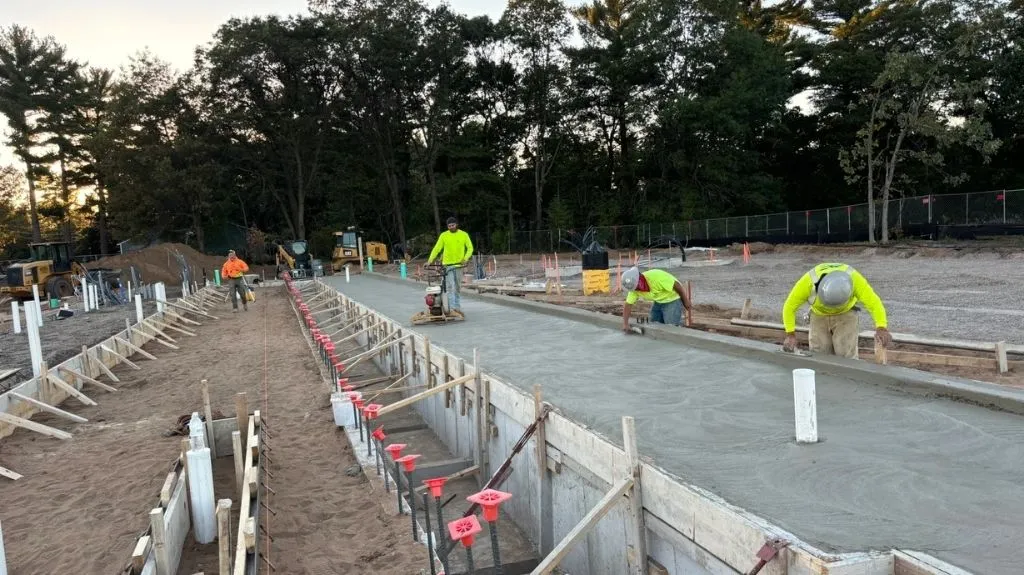
Exposure to moisture, the elements, and shifting soil can create added stress on concrete commercial foundations — but how do you know that your foundation is in need of repairs or replacement? A simple crack in a building’s foundation may be alarming to the untrained eye, but when you have a better understanding of concrete foundations and the structural issues they may face, you understand when there is a need for concern and when there is not.
We want to provide you with that understanding at Potrykus Construction. To help you better understand the signs your building may need immediate attention, we have created this quick guide to commercial foundation repair.
3 Signs Your Commercial Foundation Needs Immediate Repairs
Foundations are subject to massive amounts of mechanical stress that can lead to cracks, bowed walls, uneven floors, porches that separate from a building, and more. Commercial concrete foundations that are built to bear more weight than a primary home must endure even higher amounts of stress. The unfortunate reality is that these foundational issues will not go away, and ignoring potential warning signs can lead to expensive repairs down the road — so what do you need to look for?
Here is a better look at a few red flags you need to keep an eye out for:
1. Specific Crack Patterns
Not all cracks in a concrete foundation are created equal. There are specific types of cracks and patterns of cracks that are clear indicators of foundation settlement and red flags signaling that your foundation needs repairs.
- Diagonal or Shear Cracks: When you see diagonal cracks in your building’s foundation that run at a 45-degree angle from the corner of a window or door, it indicates that one side of your foundation is sinking at a faster rate than the other.
- Danger Level: HIGH
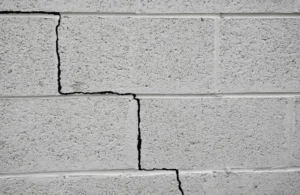
- Stair-Step Cracks: Foundations that employ brick, concrete block, or masonry may develop stair-step cracks. This is indicated by a zig-zag pattern that follows the mortar lines in between bricks or concrete blocks. This is a red flag that the concrete footings are sinking unevenly.
- Danger Level: HIGH
- Vertical Separation or Joint Expansion: The vertical joints of a foundation are designed to absorb some degree of movement — but when there is too much movement, these joints can begin to pull apart and separate. This can lead to exterior water leaks or wall collapses over time.
- Danger Level: HIGH to CRITICAL
2. Interior Disruptions
In many cases — when we talk about signs that your foundation needs repair, most property owners expect to see exterior cracks in the concrete or on basement walls. That is not always true. Issues with concrete foundations can be manifested on the interior of a commercial or residential building.
- Misaligned Doors and Windows: Do you have a door that sticks? Or window latches that never line up? Maybe there are issues with window panes? These are examples of how a shifting concrete foundation can impact the interior of a home or business with warping or binding.
- Danger Level: HIGH
- Sloped Flooring: A foundation that has shifted over time can have an impact on the interior of a home or business. Business owners may notice uneven or slanted flooring, gaps between the baseboards and the floor, or cracks in the commercial tile or finished concrete floor. This is often caused by localized subgrade soil failure or slab sagging.
- Danger Level: MEDIUM
- Ceiling and Drywall Seam Separation: The condition of the interior drywall of a business can be an indicator of deeper foundational issues. Creases or tears along drywall tape lines where interior walls meet support columns are signals that the interior framework is being affected by the movement of the foundation:
- Danger Level: MEDIUM to HIGH
3. Exterior Disruptions and Drainage
Poor and improper drainage can have disastrous effects on your concrete commercial foundation by creating hydrostatic pressure, soil erosion, slab heave, and much more. Property owners that see and understand the signs of poor foundation drainage and recognize the red flags can take the steps needed to repair a foundation and avoid more expensive repairs.
- Exterior Gaps by Doors and Windows: When you observe visible gaps around exterior doors or windows, it is a red flag that shifting ground has led to early-to-moderate frame racking. These gaps allow pests and moisture to get inside of commercial or residential buildings.
- Danger Level: MEDIUM
- Standing Water Around the Foundation: Another red flag that there is damage to your building’s foundation is water pooling around the base of the foundation. This standing water is often tied directly to improper drainage that erodes load-bearing soil and can lead to rapid erosion or compaction.
- Danger Level: MEDIUM to HIGH
READ MORE: Slab vs. Deep Foundations Explained
Do you want to know more about commercial foundation repair and the signs your building foundation may need immediate repairs? We hope that this breakdown of the common signs and red flags your concrete foundation needs repairs has answered some of your questions and given you an idea of what to look for in the future.
Contact Potrykus Construction today for more information about commercial foundation repair!